Vegan Recipe App
T-Shirts for Activists
Newsletter
Become a Member
Partner with us
Cookbooks
Petitions
Product Features
Adopt-a-Pet
Get thousands of vegan, allergy-friendly recipes in the palm of your hands today!
X
Get your favorite articles delivered right to your inbox!
X
2.6K Views
3 years ago
12 Ways to be More Eco-Conscious When it Comes to Your Clothes

Image Credit: hxdbzxy/Shutterstock
For brands
Want to reach our audience?
From the exploitative practices used by some clothing companies, the unsustainable materials used in the making of clothing, and the rate at which fashion turns over, making perfectly good garments seem obsolete is just the tip of the iceberg in the torrent of problems with the fashion and clothing industry as it stands.
There are many initiatives committed to creating more sustainable and environmentally sound clothing as well as a heavy push for folks to buy second-hand clothing or mend and reuse what they already have.
Here are a bunch of OGP articles that give you lots of ideas and tips for dressing yourself in clothing that speaks to the environmental and humanitarian good.
1. Eco-Friendly Fashion Statements
Consumerism is to blame for many of the world’s problems. From animal welfare, climate change, and the enormous environmental and social impacts, there’s no denying the fact that something needs to change. The good news is that plenty of people are waking up and being the change they want to see in the world. Now, with a growing number of ethical brands and designers, you too can be the change and make a statement with your clothing! If you want to make some noise, check out these 5 Ways To Make an Environmental Statement With Your Clothing.
2. Buy Less Clothing
If we don’t change the way and how many new clothes we are buying, the consequences for the Earth will be devastating. According to a report from the Stockholm Resilience Center and Stockholm University, if we don’t change our ways quickly, the fashion industry could use the remaining global carbon budget by 2050 and even use 35 percent more land to produce fibers by 2030. If you want to make a difference, Buy 75% Less Clothing to Help the Planet, Per Report.
3. Recycled Plastic Clothing
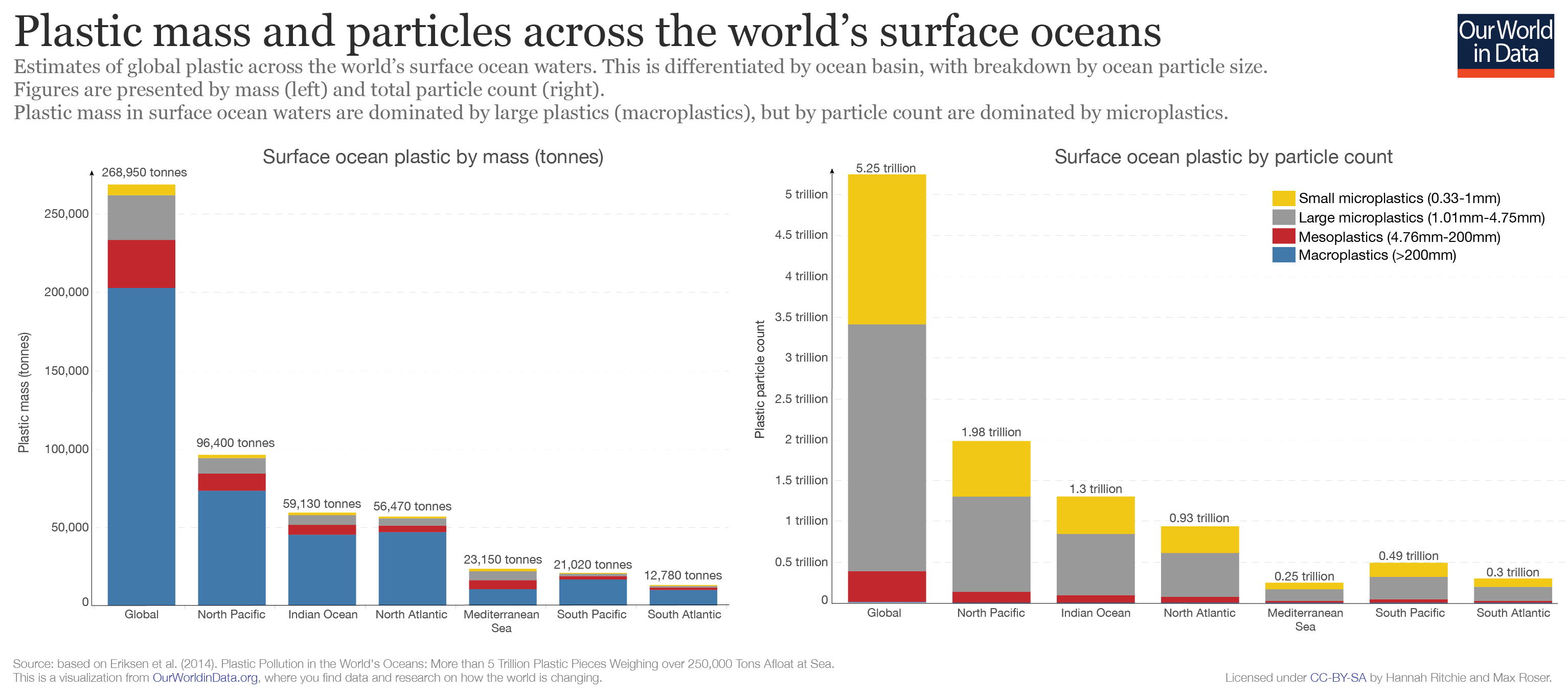
Although you might congratulate your city for pushing paper straws and taxing plastic bags, there is a much greater contributor to plastic Pollution that you often cannot even see. While macroplastics such as single-use straws and bags make up most of the ocean’s plastic Pollution by mass, microplastics remain the worst culprit for ocean plastic Pollution by particle count. These tiny, sometimes microscopic, plastics have been found in the digestive systems of hundreds of different species, starting from organisms as tiny as the plankton. From plankton, plastics travel up the food chain where they can ultimately be ingested by humans who eat fish. Read on to learn All About Recycled Plastic Clothing and What You Should Be Wary of.
4. Second-Hand Clothing
People are buying more secondhand clothing than ever before and the trend is only going to increase. The latest research projects that over the next 10 years the second-hand clothing industry will more than triple in value. It is expected to grow from $28 billion in 2019 to $80 billion by 2029. The environmental impacts of the fashion industry are in addition to the numerous human rights concerns regarding the treatment of textile workers in factories across the globe. Both the human rights abuses and environmental impacts decrease the more people purchase their clothing secondhand instead of buying new garments. Learn all about how A Boom in Second-Hand Clothing is Reducing Fashion’s Impact on the Planet.
5. Buying Sustainable Clothing
Conscious consumers already know the difficulties involved with identifying ethical produce during the weekly grocery shop, but one shopping area that gets neglected is clothing. Although the most sustainable option for clothing is to buy second-hand, from local thrift stores for example, or to host clothes swaps, there are still times when you need to buy new clothes, and supporting ethical brands sends a positive message to ethical companies and brands that employ sweatshop labor. That’s why we have put together this guide; to enable you to vote with your wallet and make conscious, ethical choices about what you wear against your skin. Learn more with this Guide to Buying Sustainable, Fair-Trade, and Cruelty-Free Clothing.
6. Cruelty-Free Clothing
When trying to live a cruelty-free lifestyle, oftentimes, we are bombarded by the things we should not do and should not buy. The story is the same when it comes to clothing: no silk, no fur, no leather, no suede, no wool, and so on. In short, anything that contributes to the exploitation of animals is off-limits. In addition to this, we might also consider how the manufacturing of certain materials with high inputs of chemicals and dyes creates cruelty in and of itself against the planet and those who inhabit it. With all this in mind, lists of what not to buy seem helpful, but what about what clothing materials you can buy? You will hopefully find this Guide to Cruelty-Free Clothing quite useful.
7. Clothing Swaps
Now, many of us conscious go-getters, have considered the environmental and human impact when we think about our clothing-buying habits, meaning you, like me, do your fair share of second-hand shopping. Thrift stores, consignment stores, and the like are all good and well – but have you considered the awesomeness that is the clothing swap? A clothing swap is, in its basic form, a meeting or party where people get together to swap clothing, accessories, and the like, all for the sake of getting rid of the stuff you won’t use – and giving it a new life with someone else – and then gaining some great new stuff for yourself, too. If this seems up your street, learn more about How Clothing Swaps Could Help Save the World.
8. Upcycle Old Socks
or those who wear shoes and wear socks with those shoes, there is the inevitable problem of eventually acquiring old socks. Old socks can come in many forms. They can be the singular element remaining from a once happy couple, the hopeless, hapless survivor of the lost sock. They can be the piece of the pair that hasn’t yet developed a hole or, for that matter, the one that has developed the hole. They can be a team that’s simply seen better days. They can be ill-advised gifts that were never going to meld with your fashion sense. Here are 25 Creative and Useful Things to Do With Old Socks.
9. Upcycle Old Sweaters
Repurposing sweaters doesn’t have to be something difficult. For those with modest abilities in cutting and sewing, the possibilities are vast and varied, but even for those a little wary of crafting, there are still some projects that scarcely involve more than the motivation to do them. And, it’s worth it. Sweaters seem to have the ability to make folks comfortable, both wearing them as clothes and reinventing them as other things. Here is a great list of 7 Ideas for Repurposing Old Sweaters.
10. Revive Through Embroidery
Henry Ma, CEO of Ricoma – a leading manufacturer of embroidery and custom Apparel equipment, has seen many of his company’s customers use embroidery to breathe new life into old or damaged clothing. “Embroidery can be used to repair, revive, and extend the life of old clothes, thereby reducing the amount of waste generated by the fashion industry,” Ma explains. Ma offers up three great ways to revive old clothing with embroidery to not only freshen up one’s wardrobe but Support sustainability efforts as well. If this sounds like something you could get on board with, take a look at these 3 Easy Ways to Revive Old Apparel Through Embroidery.
11. Upcycle Old Jeans
Before distressed and ripped became fashionable, Jeans were renowned for their toughness, and the ability to last for ages under serious work conditions. Nowadays, blue Jeans are still used as solid work Pants, but they’ve also become so commonplace that we have innumerable styles: skinny, bootcut, bellbottoms, cargo, relaxed fit, low rise, baggy, carpenter, ripped … and on it goes. With all those Jeans, with fashion’s seasonal changes, that makes for a lot of old pairs of Jeans floating around out there. That means there is a lot of inexpensive (or free), strong, yet comfy material that an aspiring DIYer can play with. Here are 9 Fun Things to Do with Old Pairs of Jeans.
12. Learn to Mend
One really fun way to get more mileage out of your clothes is to learn to mend them yourself. Whether it’s sewing a button, slapping on a patch, or darning a hole, mending your clothes can be fun, and rewarding and can make an impact on the demand for more of the latest fashion! The great thing is that you don’t need a fancy sewing machine to give your clothes a second chance. Just a needle, thread, and a bit of will and imagination are all you need to save some money and a bit of the planet, too. Here is a list of 5 Easy Ways to Mend Torn and Tattered Clothes.
Being publicly-funded gives us a greater chance to continue providing you with high-quality content.Click here to Support Us
Related Content:
- 10 Ways to Naturally Dye Fabric at Home Using Fruits, Vegetables, and Plants
- 10 Tips to Upcycle Everything in Your Closet
- How to Repurpose, Recycle, and Reuse Old Mattresses
- Learn How to Repurpose, Recycle, and Reuse Old Leather
- How to Repurpose, Recycle, and Reuse Old Chairs
- How to Recycle Clothes
- How to Repurpose, Recycle, or Resell Old Shoes
Easy Ways to Help the Planet:
- Eat Less Meat: Download Food Monster, the largest plant-based Recipe app on the App Store, to help reduce your environmental footprint, save animals and get healthy. You can also buy a hard or soft copy of our favorite vegan cookbooks.
- Reduce Your Fast Fashion Footprint: Take initiative by standing up against fast fashion Pollution and supporting sustainable and circular brands like Tiny Rescue that are raising awareness around important issues through recycled zero-waste clothing designed to be returned and remade repeatedly.
- Support Independent Media: Being publicly-funded gives us a greater chance to continue providing high-quality content. Please consider supporting us by donating!
- Sign a Petition: Your voice matters! Help turn petitions into victories by signing the latest list of must-sign petitions to help people, animals, and the planet.
- Stay Informed: Keep up with the latest news and essential stories involving animals, the environment, sustainable living, food, health, and human interest topics by subscribing to our newsletter!
- Do What You Can: Reduce waste, plant trees, eat local, travel responsibly, reuse stuff, say no to single-use plastics, recycle, vote smart, switch to cold water laundry, divest from fossil fuels, save water, shop wisely, Donate if you can, grow your own food, volunteer, conserve energy, compost, and don’t forget about the microplastics and microbeads lurking in common household and personal care products!
Discover Our Latest Posts


Sign Up
Newsletter
Get your favorite articles delivered right to your inbox! Sign up for daily news from OneGreenPlanet.
Support
Keep One Green Planet independent — chip in what you can, or become a member and get ad-free browsing, a voice in our community, and the good feeling of fueling a sustainable, healthier, and kinder world.
Viral Articles

Beyond Mashed Potatoes and Fries: 20 Drool-Worthy Potato Recipes
Read Article

15 Delicious Alkaline-Rich Plant-Based Recipes!
Read Article

15 Meat-Free Recipes With Wheat Meat
Read Article

15 Vegan Mexican Fiesta Favorites That Will Make You Forget All About Meat and Cheese
Read Article

15 Meat-Free, Dairy-Free Italian Recipes You Have to Try
Read Article

15 Magnesium-Rich Meals That Will Have You Coming Back for Seconds
Read Article

50 Decadent and Delicious Raw Vegan Desserts for Summer
Read Article

Don’t Turn on the Oven. Make These 10 Veggie Skillet Dinners Instead
Read Article

10 Vegan Meals You Can Make for Under $10
Read Article

15 Condiments You Can Make at Home
Read Article
Comments: