Vegan Recipe App
T-Shirts for Activists
Newsletter
Become a Member
Partner with us
Cookbooks
Petitions
Product Features
Adopt-a-Pet
Get thousands of vegan, allergy-friendly recipes in the palm of your hands today!
X
Get your favorite articles delivered right to your inbox!
X
13 years ago
The Idea of ‘Luxury’ or ‘Exotic’ Animal Food and Why It’s False

For brands
Want to reach our audience?
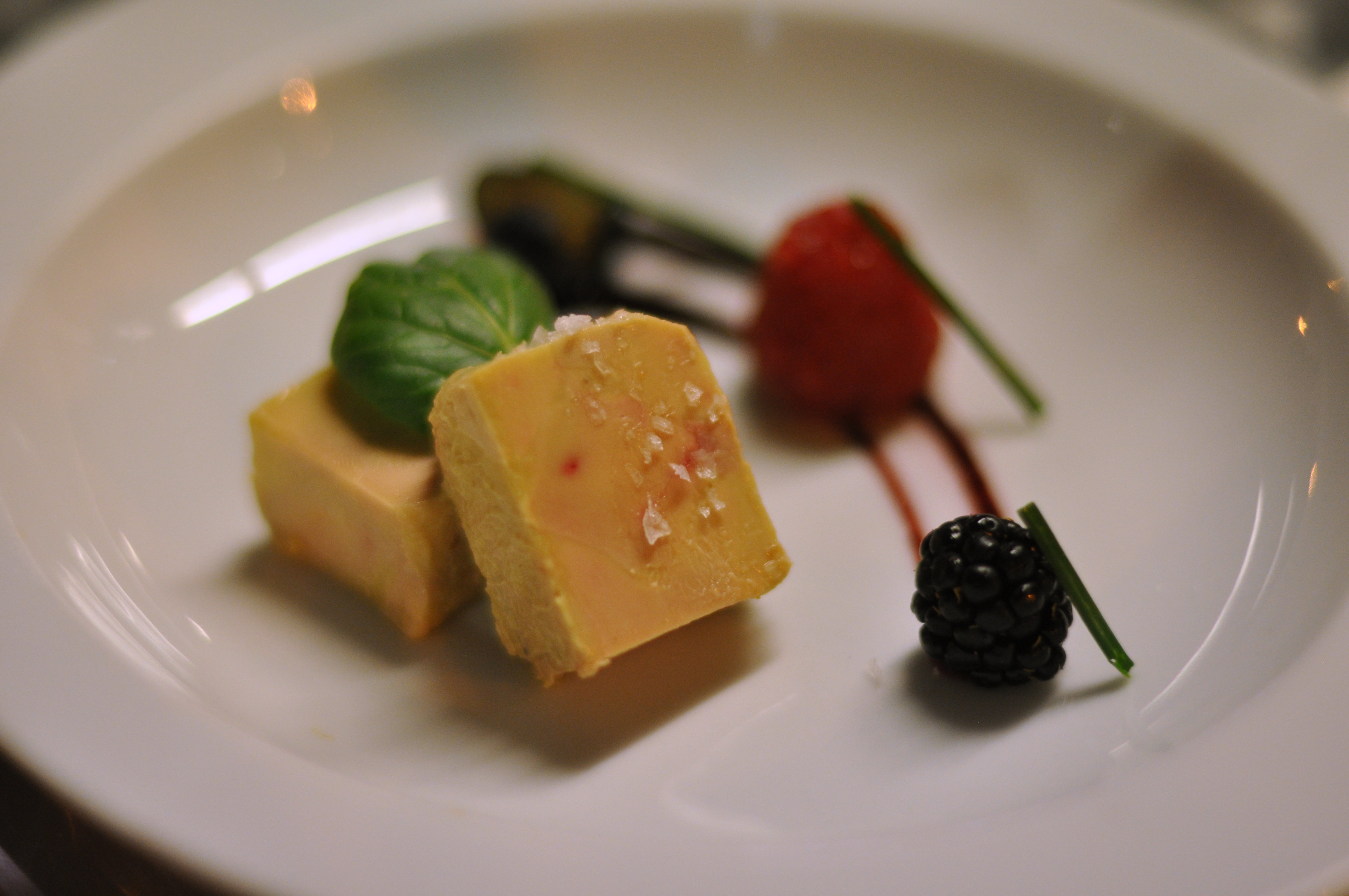
If I said, “Think of the fanciest restaurant you can imagine,” what would be on the menu? Perhaps you thought of some of listverse.com’s “Top 10 Luxury Foods” such as beluga caviar, Kobe beef, the deadly pufferfish, foie gras, lobster, or oysters. Why do we think of these foods as luxury items, and why are some people willing to spend so much just to taste them?
Suppose we compile a list of common traits found among luxury foods or meals. We soon find that many are animal-based, they typically use different animals than common farm animals, such as pigs or cows, and almost all require specialized methods of preparation. Some food enthusiasts also claim that these factors are what make luxury foods have the sort of flavor that makes them worth the extra penny.
Flavor or Texture Worth Paying For?
In an extensive paper titled “When is Food a Luxury?” Marijke van der Veen states, “It is proposed that luxury foods are those foods that offer a refinement in texture [and] taste.”
Besides certain foods simply being a rarity, a fuller and better taste is cited as why some foods are labeled luxurious and become costly. This Wikipedia article for kobe beef, for example, says that it “is generally considered to be a delicacy, renowned for its flavor, tenderness, and fatty, well-marbled texture” and that cows that become “kobe beef” are grain fed, processed in certain slaughterhouses, weighing under a specific weight, and so on. In general, the claim being made here is that when cows are raised under certain conditions, the taste and texture of beef is astoundingly delicious compared to other food items. But where exactly do taste and texture come from?
While a portion of the taste and texture of our food rely on its growth quality, a large percent is provided by the spices, condiments, additives, and method of cooking preparation we employ for the product.
For anyone who disagrees that spices and cooking methods are possibly more important than the conditions the food has been in for its initial production, I invite you to go eat raw spaghetti, raw beef, unseasoned chicken, or rice without any spices. Once you recover from a mixture of food poisoning and pure disgust, you’ll be ready to reevaluate where taste and texture come from.
For luxury foods claiming that they hold the secrets to succulent, savory, sweet or decadent flavor, unless that luxury food is a spice or sauce itself, they have little in the way of real evidence.
Many different textures are achieved depending on the length of cooking time, the methods utilized, and other ingredients used to complement the main ingredient. The difference between al dente pasta and al forno pasta has absolutely nothing to do with the noodle you’re using, which goes to show that we control more of the texture of our food than we typically think.
The idea that certain foods, especially foods that require the exploitation of animals, have inherently better flavor than the next is particularly damaging. Ignoring the role of spices and preparation in food can lead impressionable people to make choices that are less economic, less ethically sound, and less environmentally conscientious. Consumption of animal based foods on the assumption that they taste better contributes to the negative impact made on global food security caused by these industries.
With literally hundreds of culinary spices to choose from, it’s time for us to control flavor with more efficient base ingredients. So when foie gras claims to have a “rich, buttery, and delicate” taste, you’ll know to point out that delicate isn’t a flavor and perhaps that “buttery” taste comes from all the butter they’ve drowned it in.
Try Our “Exotic” Dish!
Other luxury foods play up the fact that they utilize an animal not typically consumed in the Western diet for every meal or sold at fast food restaurants.
Seafood comes in strong on this list such as high-grade lobster or oysters or the fish that could potentially kill you if prepared the wrong way. These animals are purported to taste so radically different that it’s worth paying exuberant amounts of cash for.
Food reviewers offer numerous critiques and praises for “exotic” animal-based foods, saying that beluga caviar has an unparalleled “classic” taste with “rustic” overtones and a “musky” finish. And it just so happens that they’d be as close to describing these strange and rare foods as the person who exclaims that everything tastes like chicken.
According to in-depth research on the palate capabilities of humans focused on wine tasting, we are more likely to base complex taste descriptions on what something looks like rather than what it actually tastes like, and we can’t reliably detect more than three flavors in a given dish or beverage. The same people who can’t actually tell the flavor difference of red and white wine are telling consumers willing to spend ridiculous fees on grayish fish eggs that this rare food contains a myriad of different elements that will delight our taste buds.
In reality, exotic foods will taste fairly similar to their non-exotic counterparts, or as our non-food critic friend says again, “It all just tastes like chicken”.
Image source: Wikipedia Commons
Discover Our Latest Posts


Comments:
Leave a Comment
You must be Login to post a comment.
yummy
Why not just stop eating animals period and call it a day!