
Vegan Recipe App
T-Shirts for Activists
Newsletter
Ad-Free Browsing
Partner with us
Cookbooks
Petitions
Product Features
Adopt-a-Pet
Get thousands of vegan, allergy-friendly recipes in the palm of your hands today!
X
Get your favorite articles delivered right to your inbox!
X
3.8K Views
8 years ago
Troubleshooting Plant Problems: Reading the Leaves

Image Credit: Pixabay
We should begin by giving gardens their due. They are amazing things. They provide us with food, therapy, and exercise. They bring color into our yards and the world. They put us in touch with nature and our dinners, and they make those dinners healthier. When done well, they also invigorate the wildlife around us, attracting pollinators, birds, frogs, lizards, bats, and on it goes. Gardens, in a word, are a treat. But…
While growing a garden is a truly tremendous thing, it doesn’t always go completely smoothly. If it were so easy as putting a few seeds in the ground and forgetting about them, a lot more gardens would probably be successful (and still exist). That said, just because crops sometimes struggle, it doesn’t mean that they are forever doomed. There is a lot we can do if we just know what is wrong. A lot of times the leaves are giving us hints.
Common Soil Deficiencies

Leaves can be great indicators of deficiencies in the soil:
- Symptoms: Lower leaves turn yellow, then brown, then fall off
When plants are getting sufficient nutrients, they usually cut off supplies to the more mature, established leaves (the lower ones) and send them toward new growth. This symptom indicates that nitrogen levels have dipped a little too low, and it commonly happens at the end of a crop plant’s life. In this case, a quickly absorbed foliar spray may be a good choice for providing easily accessed nitrogen.
- Symptoms: Lower leaves turn bluish and glossy with brown splotches
Again, a missing nutrient will often show up first in the more established, lower leaves of the plant. In the case of dark green or bluish discoloration with brown splotches, the issue is probably a deficiency in phosphorus. Bone meal is the normal gardening recommendation, but for those opposed to using animal products, ash can be a good source of phosphorus and potassium. Comfrey tea would also be a great idea.
- Symptoms: Yellow or brown coloring with tips that appear burnt
The other major nutrient that plants need to grow is potassium (the K of NPK). When potassium is lacking in the soil, leaves all over the plant begin to yellow and brown going into a sort of burnt look at the ends. Molasses is great for providing some quick potassium. Sometimes a shortage can be caused by a pH-balance that is too alkaline, in which case sulfur might be the answer.
Common Insect Issues

Of course, nutrient deficiencies aren’t the only thing that cause leaves to distort. Insects can make some trouble as well.
- Symptoms: Yellow spots, black mold, wilting
Leaves that begin to get yellow spots before wilting might just be suffering from aphid issues. These same leaves will also sometimes get black mold growing atop them. While most websites advise spaying aphids with soapy water, this will kill them. If that isn’t within your ethical scheme, the more humane method would be to remove all the leaves, the entire things, that are affected. This will get rid of bugs and eggs. Either method takes roughly a week.
- Symptoms: Pale specks and webbing
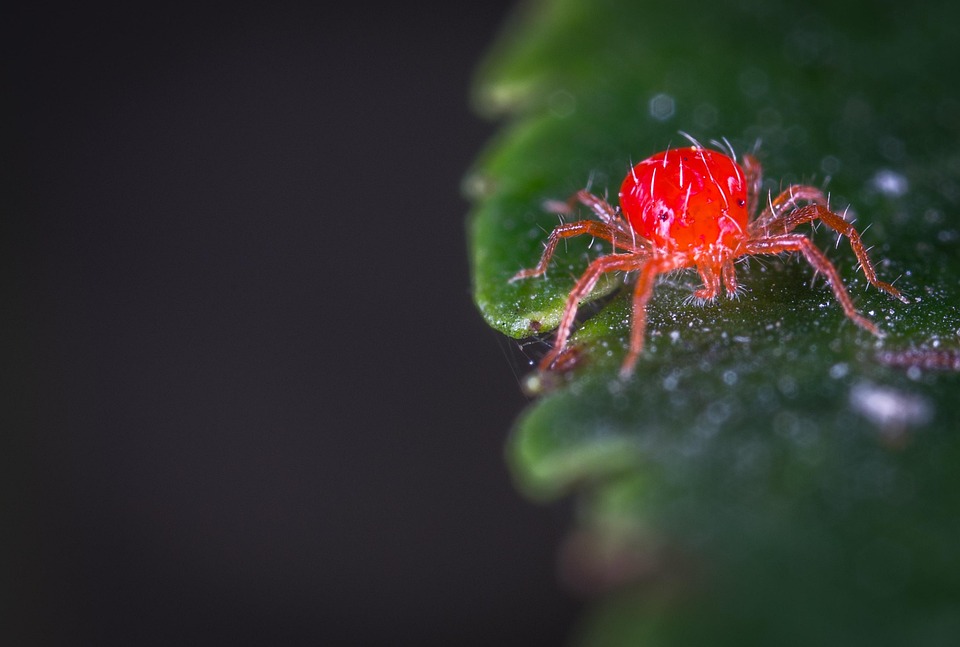
A relative of spiders (and other arachnids), spider mites are tiny eight-legged creatures that like to bite into leaves and suck fluid from them. When they do this, they leave behind pale specks that can vary from orange to yellow to white. Spider mites are generally dealt with in the same manner as aphids: insecticidal soap. However, for those wanting to avoid killing them, another option is to attract predatory insects such as lacewings and ladybugs.
- Symptoms: Twisted leaves with white spots and black mold
White flies are another common problem in the garden, and when they are around, leaves become stunted and often twist up, as well as develop white spots and mold. The nymphs of these pests are clear and appear to be the same color as the plants. Again, soaps are the more common solution as they weaken the flies and curb their feeding. They are fans of the color yellow, so some gardeners try to distract them away. They can also be blasted off leaves with the hose.
Other Issues

There are many other things that can show up in the leaves. Heat stress makes the leaves curl inward and droop, even when the sun has set. A cool breeze or some shading can help with this. Overwatering also causes droopy leaves, only this time appearing heavy and curling downward lengthwise. This typically happens with container gardens, so just ease back on watering. Here’s one more common problem:
- Symptoms: Whitish powder-like coating
Powdery mildew is another common issue that crops up on leaves. It causes a white-gray coating with a powdery look about it (hence, the name). Often this results from hot, humid conditions such as found in greenhouses or Louisiana. A gentle breeze can go a long way in preventing powdery mildew, but sulfur fungicidal spray is typically okay for organic gardens and helps with powdery mildew. It can be used to help with black spot and rust as well.
The most important thing to realize is that our plants are talking to us, telling us their problems, so if we just pay attention, we might be able to help.
Image Source: Pixabay


Comments: